
Designing Your Dream Home: Expert Tips for Creating a Space You Love

Designing your dream home is an exciting journey—one filled with creativity, personal expression, and the satisfaction of crafting a space that truly reflects who you are. Whether you’re starting from scratch or breathing new life into a well-loved property, getting the design just right can be transformative. But where do you start?
In this guide, we’ll walk you through the expert tips that make all the difference, from choosing a colour palette to selecting statement pieces like conservatory furniture and defining your layout. It’s not just about making your home look good—it’s about making it feel right.
As you shape your vision for indoor and outdoor spaces alike, don’t forget the ground level — a well-installed lawn can be the perfect finishing touch. That’s why teaming with a turf company in Richardson early in the process is smart. They’ll advise on turf selection, site preparation, drainage, and integration with your landscaping plans. With professional support, your yard transitions seamlessly from blueprint to lush, living green space — elevating the curb appeal and livability of your overall home design.
Designing Your Dream Home
Start with How You Want to Feel
Before diving into mood boards or Pinterest inspiration, take a moment to ask yourself how you want each room to feel. Calm and serene? Warm and inviting? Sleek and modern? Designing with emotion in mind helps you make intentional choices that go beyond aesthetics.
For example, a bedroom might benefit from soft textures and soothing tones to promote restfulness, while a kitchen or dining area could lean into brighter colours and natural materials that inspire energy and connection.
Embrace Natural Light
Natural light is one of the most valuable design assets in any home. It opens up rooms, boosts mood, and highlights the beauty of your interiors. Maximise the effect by using sheer curtains, large mirrors, or lighter paint colours to bounce the light around.
If you’re lucky enough to have a conservatory, this space becomes a natural sanctuary of light. Use conservatory furniture that complements the environment—think rattan, wicker, or lightly upholstered pieces that won’t compete with the surroundings. A conservatory dining table is a perfect centrepiece for such a space, offering a stylish yet practical spot for morning coffee, long lunches, or evening wine with friends.
Focus on Function First
A beautifully designed room that doesn’t work for your lifestyle can quickly lose its appeal. That’s why functionality should be the foundation of your design decisions. Think about how you use each space, and plan accordingly.
In an open-plan area, for instance, define zones for cooking, dining, and relaxing to prevent the space from feeling chaotic. In smaller rooms, clever storage solutions and multi-functional furniture can make a world of difference without sacrificing style.
Layer Your Lighting
Lighting isn’t just practical—it’s a powerful design tool that can set the mood and enhance every corner of your home. A well-designed lighting plan includes layers: ambient lighting (your main source), task lighting (for focused activities), and accent lighting (to highlight features or create atmosphere).
In a conservatory, consider adding soft uplighting or floor lamps to create a gentle glow in the evenings. Pair this with your conservatory furniture to establish a relaxing retreat that transitions seamlessly from day to night.
Choose a Cohesive Colour Palette
Your dream home should feel harmonious, and a cohesive colour palette helps tie it all together. This doesn’t mean everything needs to match perfectly—just that the colours should complement each other and create a visual flow from room to room.
Neutral tones like soft greys, warm beiges, and gentle whites are timeless and flexible, while pops of colour in accessories, artwork, or statement pieces allow you to inject personality without overwhelming the space.
Don’t Shy Away from Personality
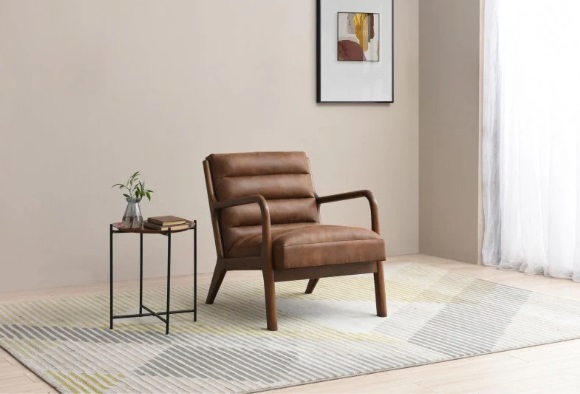
Your home should tell your story. Don’t be afraid to bring in pieces that reflect your interests, travels, or family history. A mix of old and new adds character—think vintage armchairs alongside modern lighting, or a rustic conservatory dining table paired with contemporary place settings. Wall art, bookshelves, and curated collections can all be meaningful ways to personalise your space. It’s these small, intentional touches that often become the most-loved parts of a home.
Prioritise Quality Over Quantity
When you’re building your dream space, it’s tempting to want everything all at once. But good design takes time. Focus on quality pieces that will last—both in terms of durability and style. A beautifully crafted sofa, a solid wood dining table, or elegant conservatory furniture can become long-term investments that anchor your design. Start with the essentials and layer in decor over time. This approach not only helps with budgeting but also allows your home to evolve naturally as your tastes change.
Think About Flow and Layout
A dream home feels easy to move through. That’s where layout comes into play. Take time to plan how furniture will be arranged and how people will interact with the space. Avoid blocking walkways or windows, and consider how you transition from one area to another.
In a conservatory, ensure there’s enough space around your conservatory dining table for comfortable seating and movement. Use rugs to define zones or introduce natural boundaries with plant arrangements or screens to enhance flow.
Bring the Outdoors In
Biophilic design—the idea of connecting with nature indoors—is gaining popularity for good reason. Houseplants, natural materials, and outdoor views help reduce stress and improve overall wellbeing. Whether you go for a bold fiddle-leaf fig or a few delicate succulents, greenery brings life to a room in the most literal sense.
A conservatory is an ideal spot for this. Surround your conservatory furniture with potted plants or hanging baskets, and position your conservatory dining table near windows to make the most of garden views and sunlight.
Keep It Flexible
One of the smartest ways to design your home is to plan for change. Your needs might shift over time—a home office today could become a nursery tomorrow, or your living room might need to accommodate more guests as your social life evolves. Opt for modular furniture or pieces that can be reconfigured to meet different purposes. This flexibility gives your design longevity and ensures your home continues to support your lifestyle.
Final Thoughts
Designing your dream home isn’t about following trends or copying someone else’s aesthetic. It’s about creating a space that’s truly yours—one that reflects your tastes, supports your lifestyle, and brings joy every time you walk through the door.
Whether you’re choosing the perfect conservatory dining table for sunny afternoon meals or curating a palette that makes your heart sing, trust your instincts and enjoy the process. With thoughtful choices and a touch of creativity, you can design a space you’ll love for years to come.


